Stroke skeleton construction
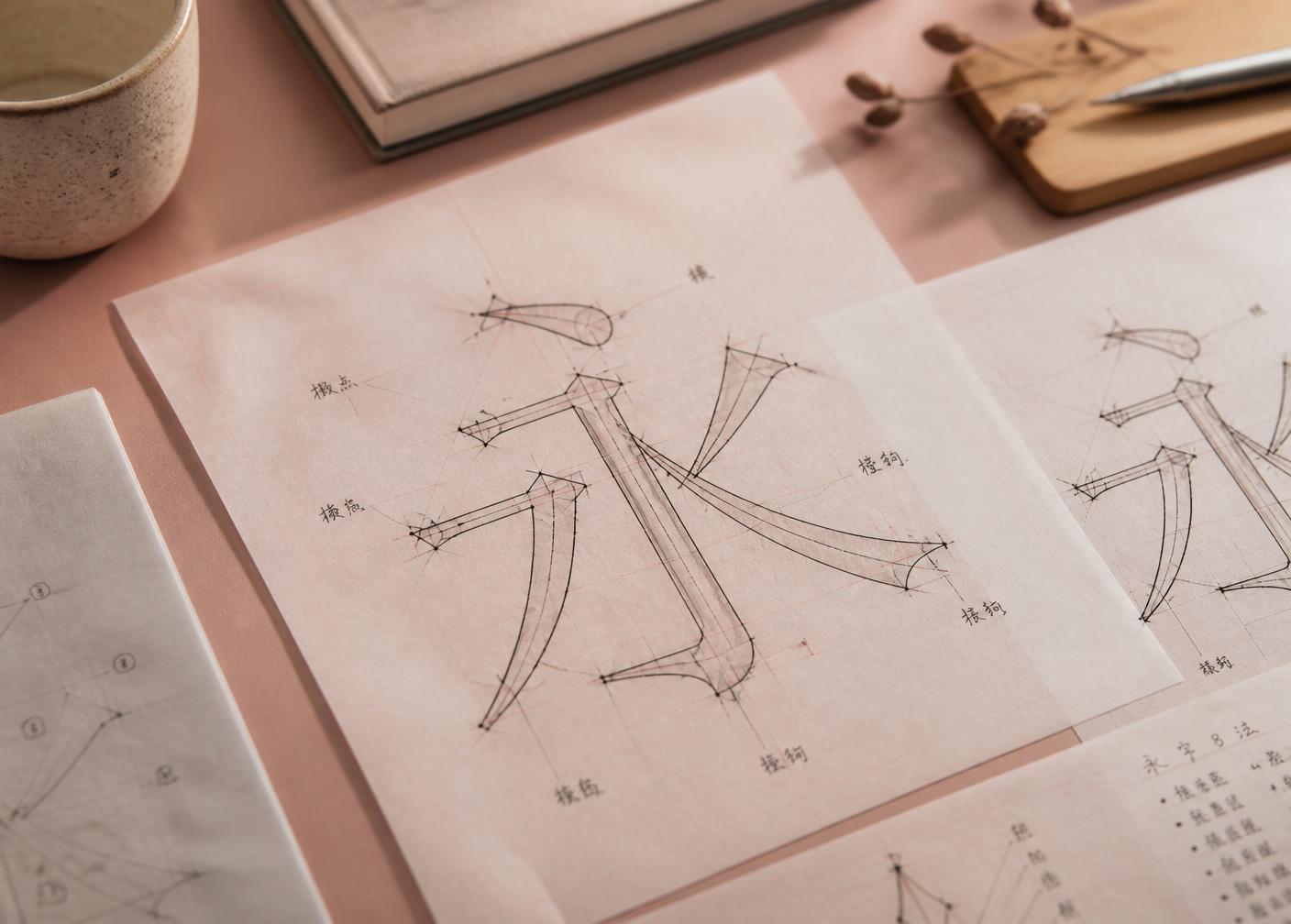
Every Hanzi begins as a skeleton: stroke order, joint pressure, and component proportion resolved before a single outline is drawn.
Typography engineering atelier
Complete Chinese typefaces drawn from the stroke skeleton up. Western kerning resolved to the subpixel. Variable font code that keeps its shape in motion. Not graphic design — the invisible architecture between glyphs.
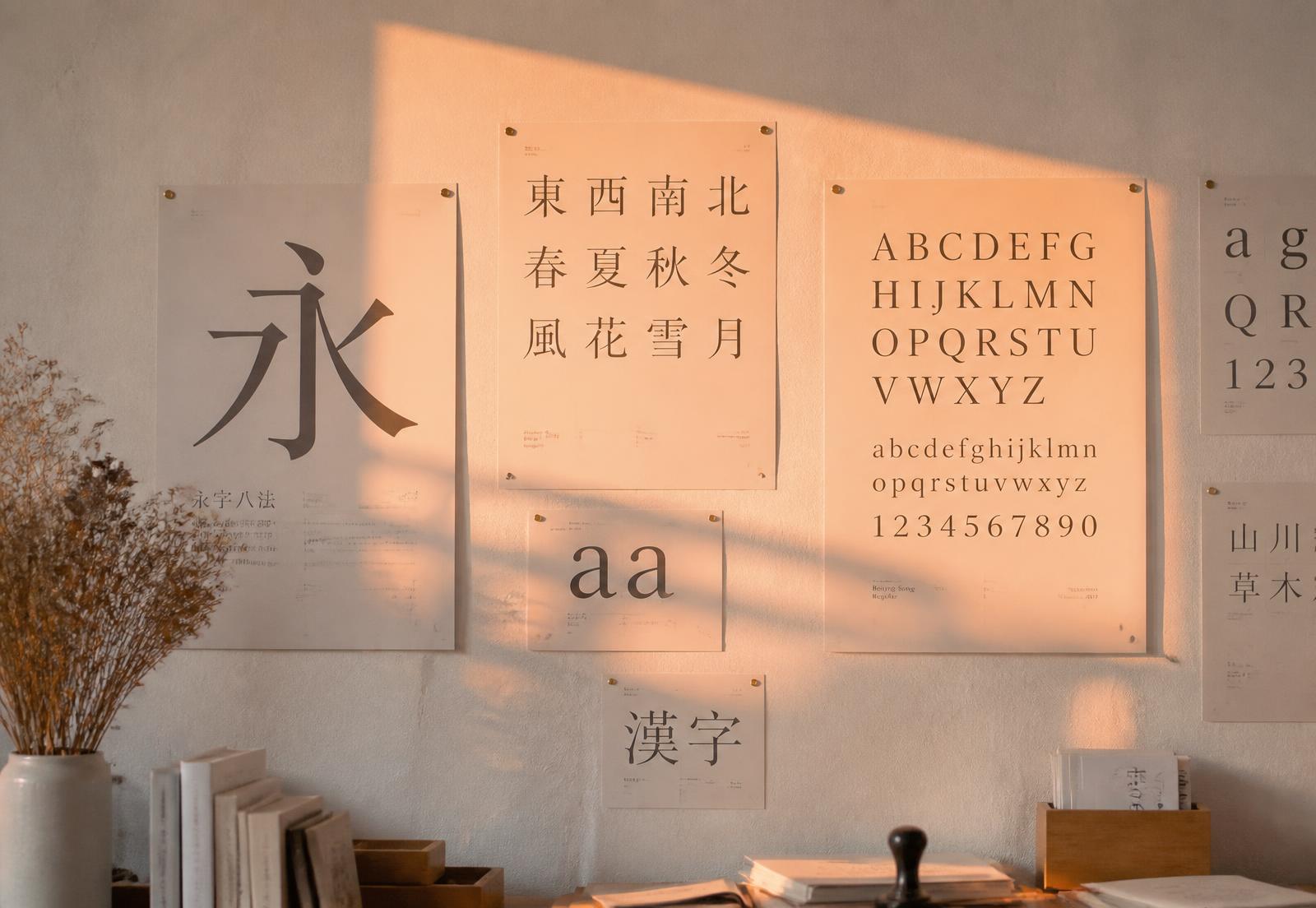
Most type is broken
Uneven sidebearings, a component reused at the wrong optical size, a weight axis that pinches at 480 — these are engineering defects, and they are measurable. We audit, document, and correct them, then lock the result behind a regression suite so it stays corrected.
Capabilities
Every Hanzi begins as a skeleton: stroke order, joint pressure, and component proportion resolved before a single outline is drawn.
Latin, Cyrillic, and Greek pairs tuned at 12px through 96px, verified on LCD subpixel and grayscale rasterizers.
Designspace authoring, axis mapping, avar2 corrections, and instance QA so interpolation never collapses mid-axis.
GB 18030, Big5, and JIS coverage staged into buildable milestones with component reuse budgets per release.
TrueType and PostScript hinting, gasp tables, and per-platform screenshot regression at real reading sizes.
fontmake and fontTools pipelines wired to CI, so a corrected contour ships as a versioned binary the same day.
Variable axes
An animated weight axis exposes every interpolation error at once. We build designspaces with explicit intermediate masters, then test every 5 units of travel so a headline can move from Thin to Black without a stem wobbling.
See how we scope a family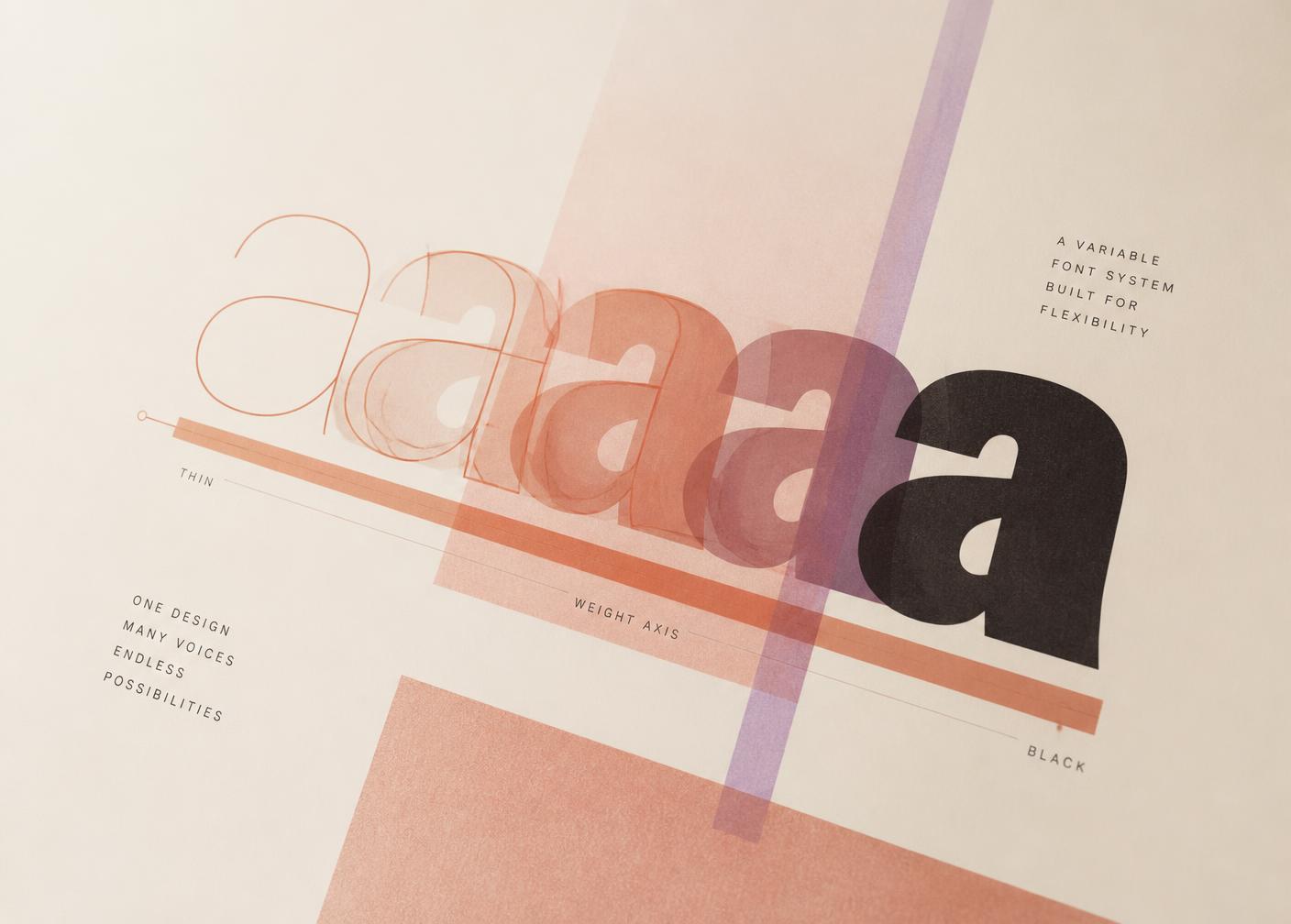
27,533
Glyphs drawn in our largest CJK release
18,400
Kerning pairs verified across scripts
6
Axes shipped in a single variable family
11
Years engineering type systems
How a project runs
We measure what exists: metrics, coverage gaps, failing pairs, axis behaviour. You get a written defect list.
Stroke systems and Latin proportions are fixed first, reviewed on paper and screen before outlining begins.
Sources move into a versioned pipeline. Each milestone ships a testable binary, not a screenshot.
Fonts, sources, build scripts, and documentation transfer to your team with a licence that matches your use.
Send a sample, a coverage target, or a broken build. We reply with a scope and a defect list within two working days.